

England’s Identity Crisis
As Scotland edges closer to independence, Irish reunification becomes increasingly likely, and Welsh devolution deepens, a crucial question remains unaddressed: What does it mean to be English in a post-UK world? As More in Common and John Denham of the Centre for English Identity and Politics have discovered, English identity is merged with a Britishness across the nation’s socio-demographic groups, from progressives to ultra-conservatives.
But what happens to the English when Britishness is no more? While headlines might focus on the mechanics of constitutional change, an unprecedented challenge and opportunity is being overlooked: forging an Englishness – cohesive, inclusive and progressive – before darker forces define it for us.
The eventual dissolution of British institutions will leave England in uncharted territory. Without devolved institutions like an English TUC or an English Parliament, England lacks the grammar and language needed to govern, describe and discuss ourselves and our collective future as a sovereign nation. And without that language to discuss ourselves, attempts to define an Englishness will struggle.
Recent research shows growing anxiety among English citizens about our national identity. Many feel caught between a British identity they see slipping away and an English identity they worry has been co-opted by extremists. This uncertainty creates fertile ground for division, but it also presents an opportunity to reshape how we think about Englishness.
Indeed, the biggest challenge is one of identity in a multicultural England. Why are ethnic minorities less likely to identify as English than British? Why do we speak of the historic role of British but not English multiculturalism? Ceding this fertile ground to nationalist extremism will reduce these exciting questions to one of narrow nativism, exclusion and division.
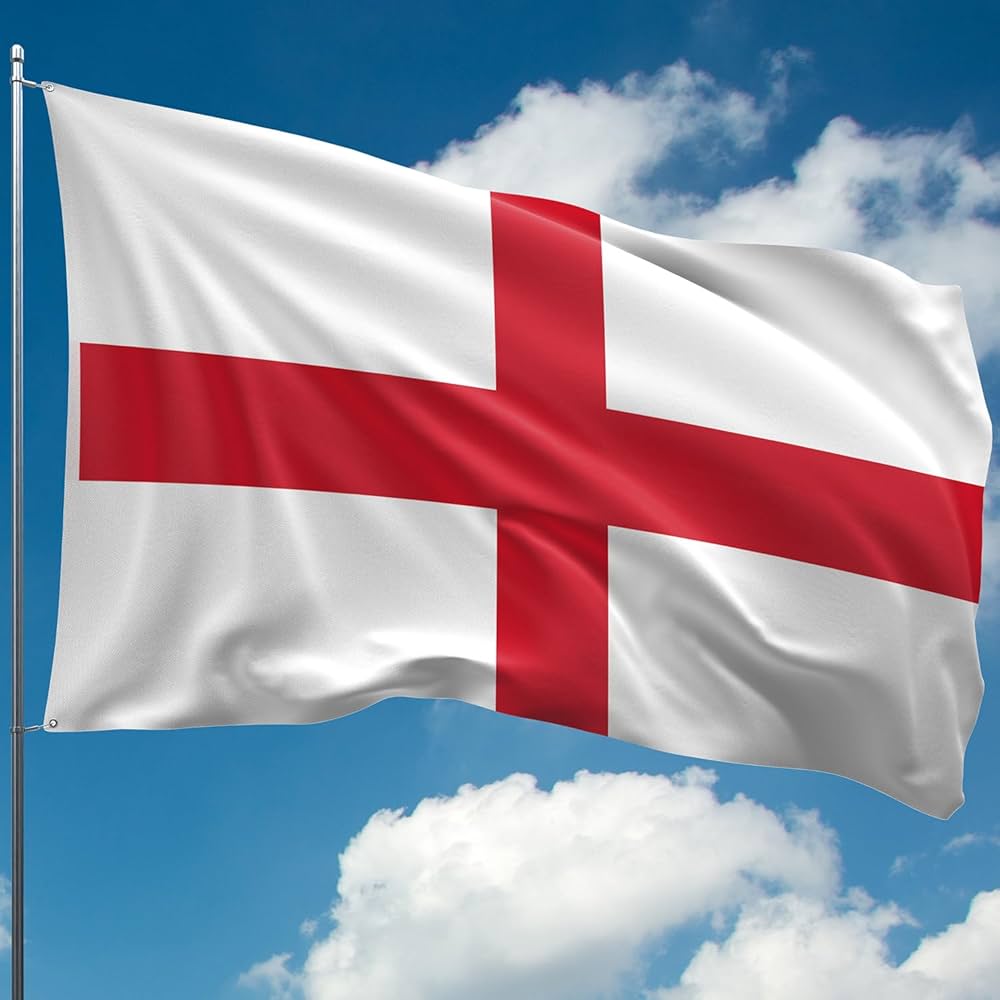
However, England’s radical heritage tells us a different story to one of far-right agitators trying to burn down a hotel of refugees while waving a St George’s flag. From the Tolpuddle Martyrs to the Suffragettes, the Chartists to the antiracist movements of the 20th Century, England’s history is rich with progressive movements that fought for democracy, workers’ rights, and social justice. These struggles united people across class, ethnicity, gender, and regional divides, and offer a powerful alternative vision of English identity – one built on values of fairness, solidarity, and inclusive, civic patriotism.
Our task is to weave these historical threads into a modern identity that speaks to all of England’s communities and regions. This means acknowledging both our proudest achievements and our historical failings. It means talking to one another about how different histories can become shared histories, and recognising that English identity has always been dynamic, inclusive and plural.
And we must start this conversation before the constitutional crisis forces it upon us. We need inclusive dialogue about what Englishness means across our regions, towns, and communities. The alternative – allowing English identity to be defined by its narrowest interpretations by fascists, racists and white nationalists – risks deepening social divisions and undermining our ability to face common challenges.
The time to address England’s identity crisis is now, while we can still shape the narrative.

